
Psychological thrillers aren’t my favourite genre but I do make time to read anything that comes along by Ruth Ware. She is such a master of atmospheric settings and unreliable narrators. In The Turn of the Key, the story is told in letters from Rowan Caine, a young woman in prison for murdering a child in her care. So potentially, this is about as unreliable as you can get.
Rowan is writing to a top barrister, hoping he will review her case and secure her release. She swears she is innocent. The best way to explain why she’s innocent is to tell him everything as it happened. The story begins with Rowan answering an ad for a live-in nanny for a family in a remote part of Scotland. Sandra and Bill are high-flying architects, their home, Heatherbrae, a modernised Victorian manor with electronics that run everything from the temperature in your shower to the fridge telling you when to buy more milk.
The couple have seen nanny after nanny abandon their four gorgeous girls. Perhaps it’s the remoteness of the house, far from the bright lights. Then again, the children can be a handful (wee Petra is a typical two-year-old, Maddie sullen and scheming, Ellen highly strung and Rhiannon a rebellious teen), but someone as experienced in childcare as Rowan should manage just fine. Is it the controlling and creepy Happy app, that allows Sandra and Bill to tune in to what’s going on at home wherever they are? Or is it something about the house?
The title of the book will soon have you thinking of the Henry James ghost story, The Turn of the Screw, where again we have a nanny killing a child. And there’s definitely something weird and supernatural going on here. Tragedy has struck Heatherbrae before – the ghost of a former owner, the one who planted the walled and locked poison garden, is said to haunt the house. Ware has everything set up for a tense and chilling read.
With the bulk of the story from Rowan’s point of view, we follow her difficulties, first with the children and the spiteful housekeeper – thank goodness she makes a friend in Jack, the hunky handyman – and then with eerie happenings at night. Surely the house can’t really be haunted, can it? Or worse, does it have a mind of its own. It starts to seem a little bit like The Twilight Zone.
Rowan is determined to get to the bottom of things. She’s not a quitter like those other nannies. And like the good-hearted person she is, she develops a fondness for her charges, even stroppy Rhiannon. But there are secrets here as well as creepy happenings and a few terrific twists before we turn the last page.
Ruth Ware has been dubbed ‘the queen of just-one-more-chapter’, and the title is never more fitting than with this novel. I dare you to pick it up and try to put it aside, even if you think you don’t really like psychological thrillers. The Turn of the Key shows Ware at the top of her game. (If you like this one, try The Woman in Cabin 10 which is another doozy.) This one gets a solid four out five from me.

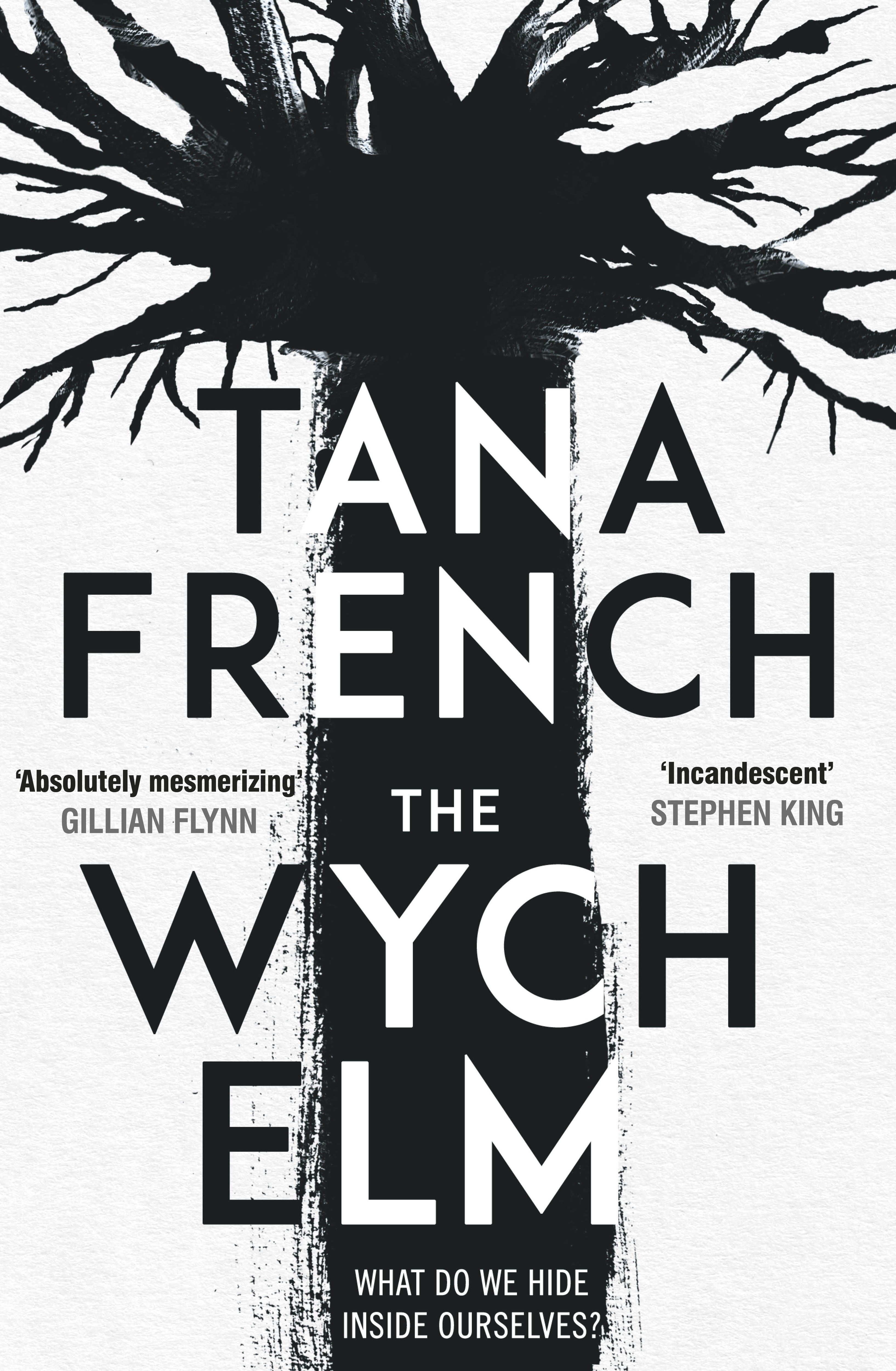 A few pages into this book, you know you are in the hands of an Irish author. It’s got that chatty, let’s sit down and tell you a story manner that you often get with Irish authors. The first-person narration also helps, but most of all it’s that rambly, discursive but hugely entertaining style of writing that draws you in and won’t let go, even when the book is five hundred pages long, and could have been around 350. Maybe.
 Gosh, how do you begin to try and describe a book like this one?
 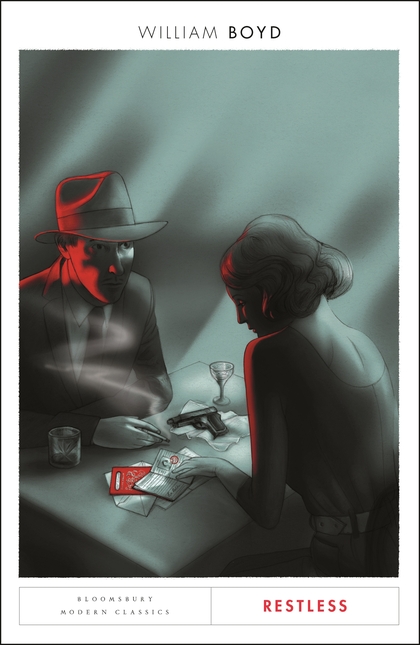 William Boyd is one of those rare writers you can trust to turn in a taut and thrilling plot while paying attention to the fine craft of writing. His sentences are thoughtful and elegant and his characters multi-faceted. So it is with
  I love it when I discover a new series at its very beginning and enjoy it so much I read each book that follows as soon as it comes out. So it is with Abir Mukherjee’s mysteries set in Calcutta in the early 1920s. Featuring ex-pat British policeman, Capt. Sam Wyndham, the author throws you right into Calcutta during the British Raj era. Wyndham is still recovering (or not!) from his time in the trenches of WW1, and the loss of his much-loved wife during the flu epidemic, self-medicating with opium. It’s just as well he’s so smart, energetic and won’t let the rules get in the way of his investigations or he’d never catch the perpetrators.
 Judith McKinnon