It rained here on Christmas Day. A lot. So no stroll around the village to work up an appetite or burn some calories or clear the head, depending on time of day. But I did have my Christmas book, picked up at the library on Christmas Eve.

There’s nothing like a Victorian story at Christmas. All those Christmas cards with Victorian looking Santas, sleighs pulled by horses and apple-cheeked children singing carols tell us this is so. Anne Perry has nailed Victorian England so it’s not surprising she’s written a few Christmas novellas which hit the spot at this time of the year.
A Christmas Grace features Inspector Pitt’s sister-in-law, Emily Radley. She’s Charlotte’s sister, in case you’ve forgotten, and as Christmas nears she’s looking forward to a round of social engagements where she can wear her new ballgown. Then she receives a letter. Her Aunt Susannah is very ill, probably dying, and she’s all alone. Charlotte has bronchitis so it’s left to Emily to abandon the invitations on the mantelpiece and trek to her aunt’s cottage in a remote town near Galway, Ireland. Continue reading “Christmas Reads 2: A Christmas Grace by Anne Perry”
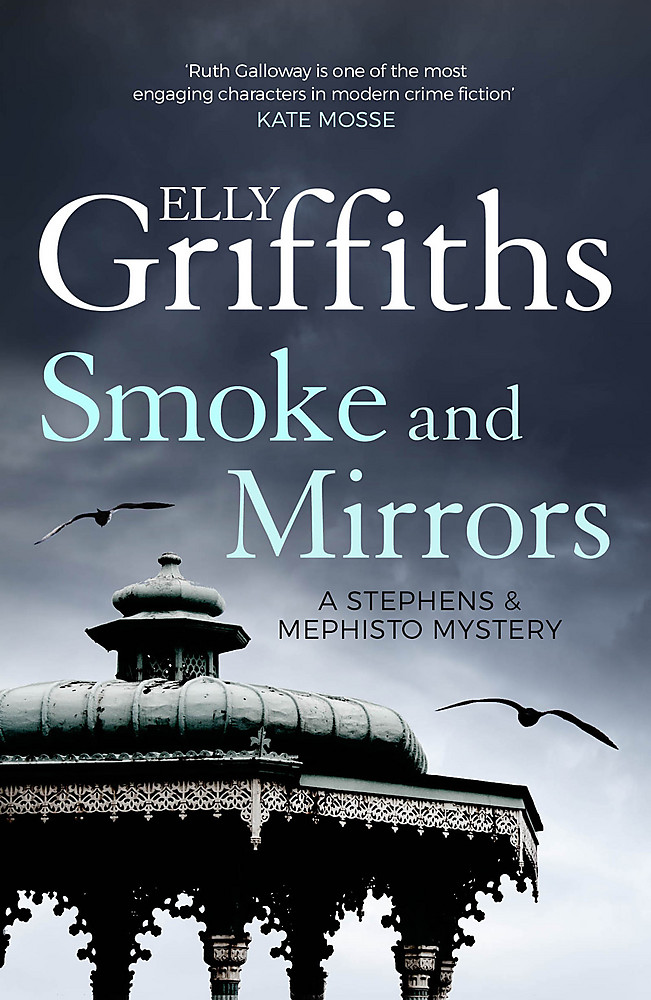
 I reviewed
 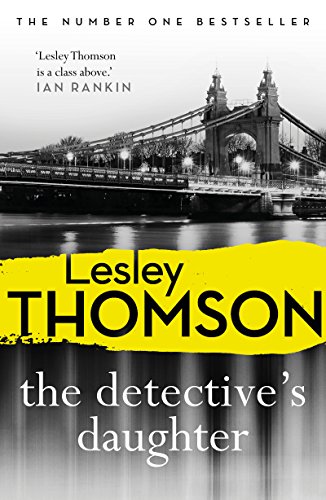 Darnell, a solitary forty-something who runs a cleaning company called Clean Slate. Her father, Terry Darnell, a career policeman, had always wanted her to join the force, but a messy divorce and Stella’s resentment that he’d always put his job before his daughter meant that she preferred to do her own thing. She likes things tidy, obsessively so, and being her own boss; Clean Slate is perfect – until Stella’s father dies.
 I love it when I discover a new series at its very beginning and enjoy it so much I read each book that follows as soon as it comes out. So it is with Abir Mukherjee’s mysteries set in Calcutta in the early 1920s. Featuring ex-pat British policeman, Capt. Sam Wyndham, the author throws you right into Calcutta during the British Raj era. Wyndham is still recovering (or not!) from his time in the trenches of WW1, and the loss of his much-loved wife during the flu epidemic, self-medicating with opium. It’s just as well he’s so smart, energetic and won’t let the rules get in the way of his investigations or he’d never catch the perpetrators.


 Yes, I know they put Atkinson’s Jackson Brodie novels on television and the series was so memorable you can probably remember the broad shape of each plot. But even if you can remember the ending, as soon as you pick up one of the books – and let’s start with the first one:


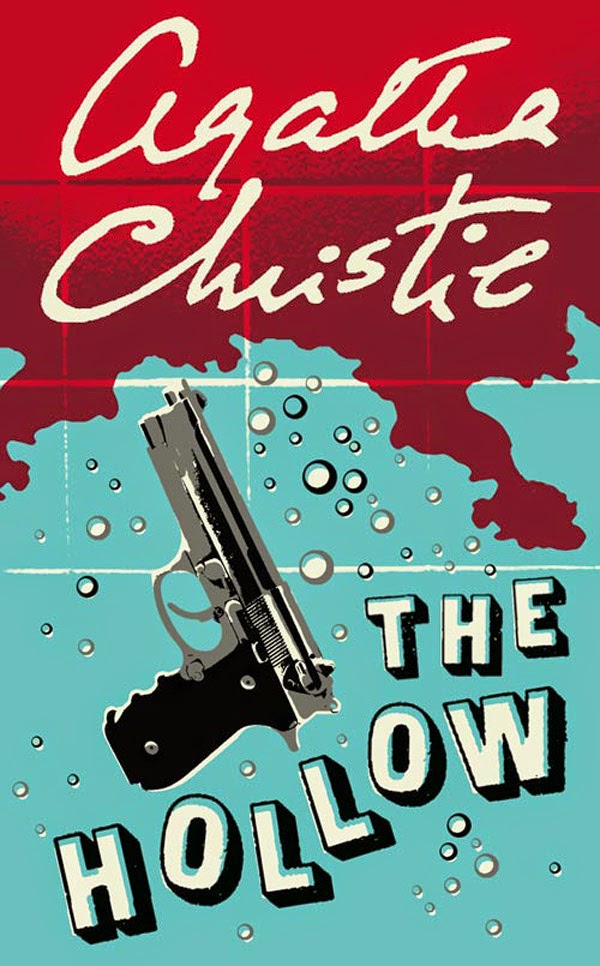 Whenever I am stuck for something to read, or need a cosy novel to cheer me up, I tend to dip into my extensive Agatha Christie collection. I know I’ve read them before numerous times, and can probably remember ‘whodunit’, but the good ones offer more than just the mystery of the crime. One of my favourites is
