 When my aunt died and we all met back at her house following the memorial service, of course, I prowled her bookshelves. She had quite a collection, having been for many years a speech and remedial reading teacher. In her living room were all the classics, in smart hard-cover editions, and I have no doubt she’d read them all, often. But in her bedroom was a whole shelf of Nora Roberts and another of Katie Fforde.
Now I have never been able to get into Nora Roberts, even if she is one of the world’s best selling authors. But the Katie Ffordes looked inviting with their pretty covers and whimsical titles so I always meant to read one.
Recently I picked up Artistic Licence, which is about thirty-something Thea, a former photo-journalist. A bad experience with her ex had sent her off to the Cotswolds, where she finds a part-time job in a one-hour photo shop and takes in student lodgers. She’s in a bit of a rut, when Molly, her bossy friend, whisks her off on an artists’ retreat in Provence where she meets gorgeous young painter, Rory. Continue reading “Book Review: Artistic Licence by Katie Fforde”


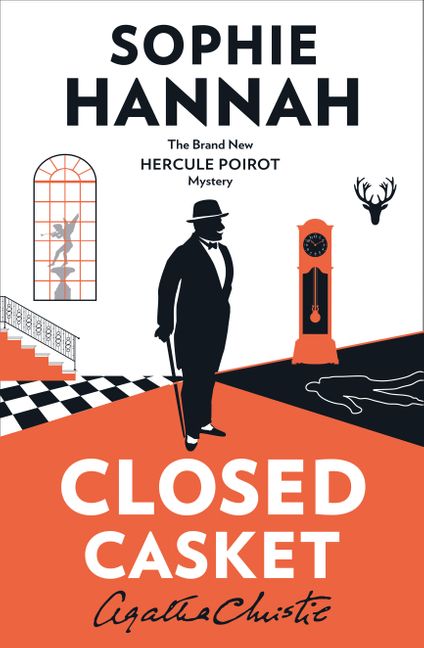 Closed Casket
 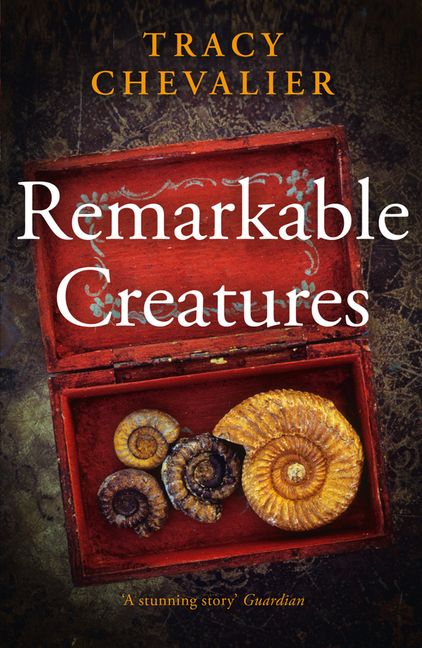 An author I’ve picked up fairly consistently over the years is Tracey Chevalier, who writes historical novels – you may remember The Girl with a Pearl Earring, which was made into a movie. Her books are usually a fairly light, engaging read, but she has a knack of digging out a very human story from an often overlooked corner of history.
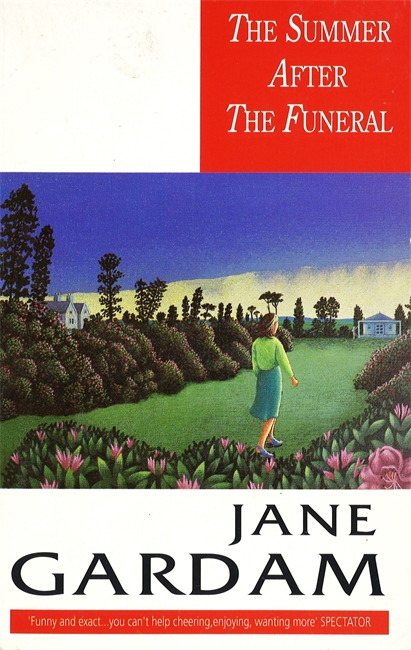 When I went on holiday recently, I packed an assortment of books knowing I would have a few quiet hours away from the Internet and Netflix. I usually like to include an old favourite – you don’t want anything that will be too hard to get into on holiday – and that usually means Anne Tyler, one or two Agatha Christies or a Jane Gardam.
 Gosh, how do you begin to try and describe a book like this one?


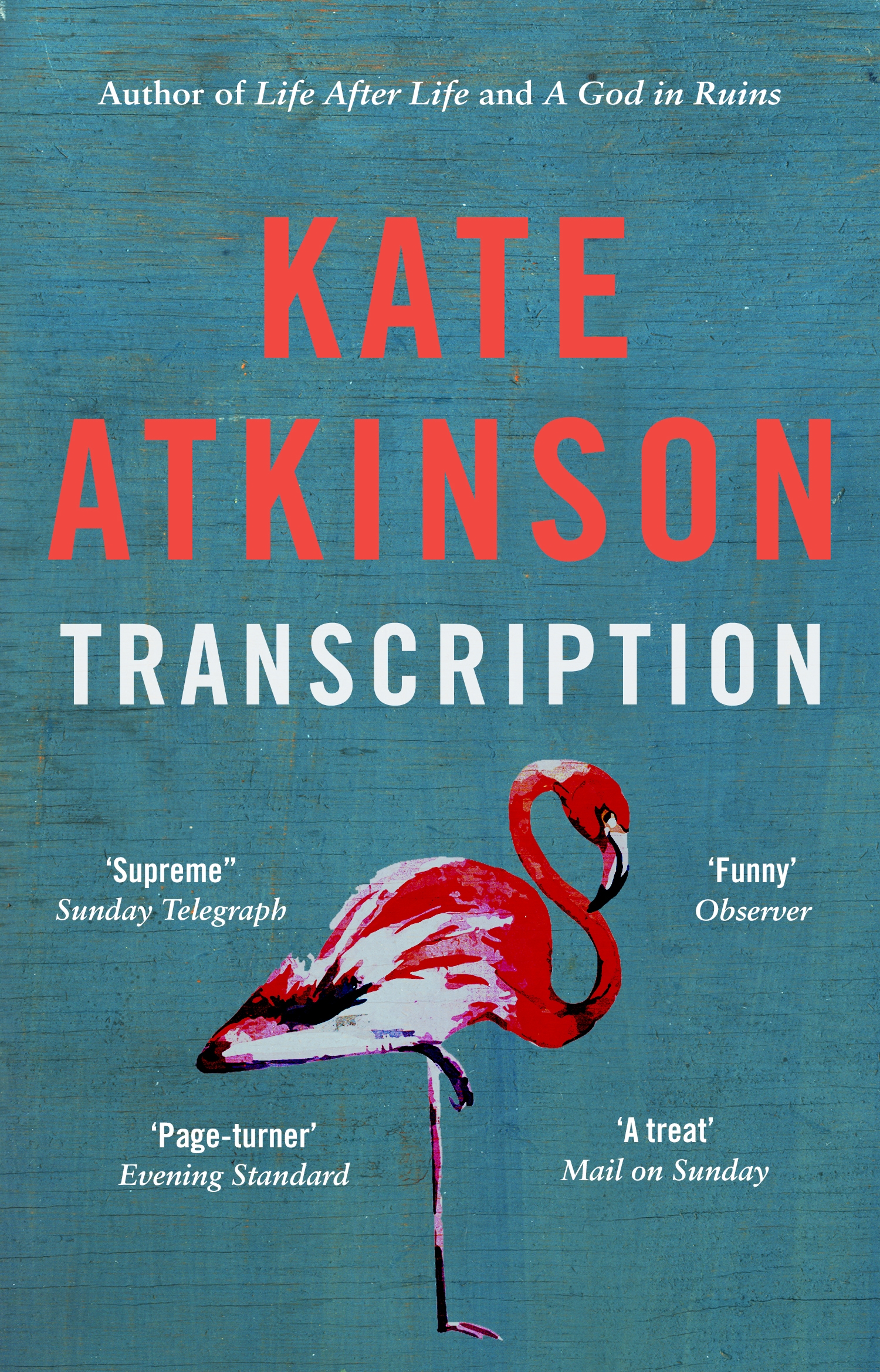 You never know where a novel by Kate Atkinson is going to take you. Transcription begins when Juliet Armstrong is hit by a car. Hanging between life and death, Juliet reviews her past over two time zones. The first is in 1940 Juliet is an eighteen-year-old-typist at MI5 when she is required by Perrigrine Gibbons for some secret war work.


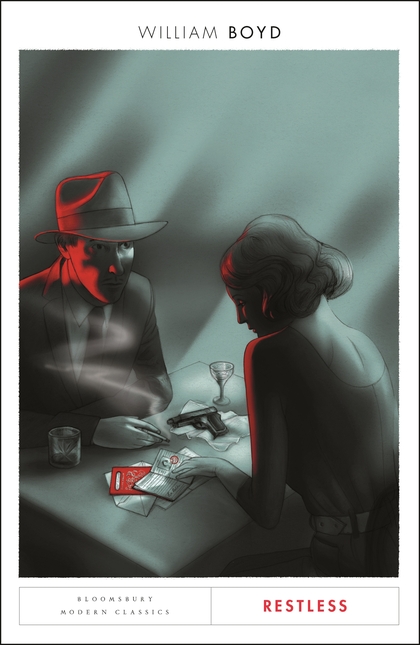 William Boyd is one of those rare writers you can trust to turn in a taut and thrilling plot while paying attention to the fine craft of writing. His sentences are thoughtful and elegant and his characters multi-faceted. So it is with
